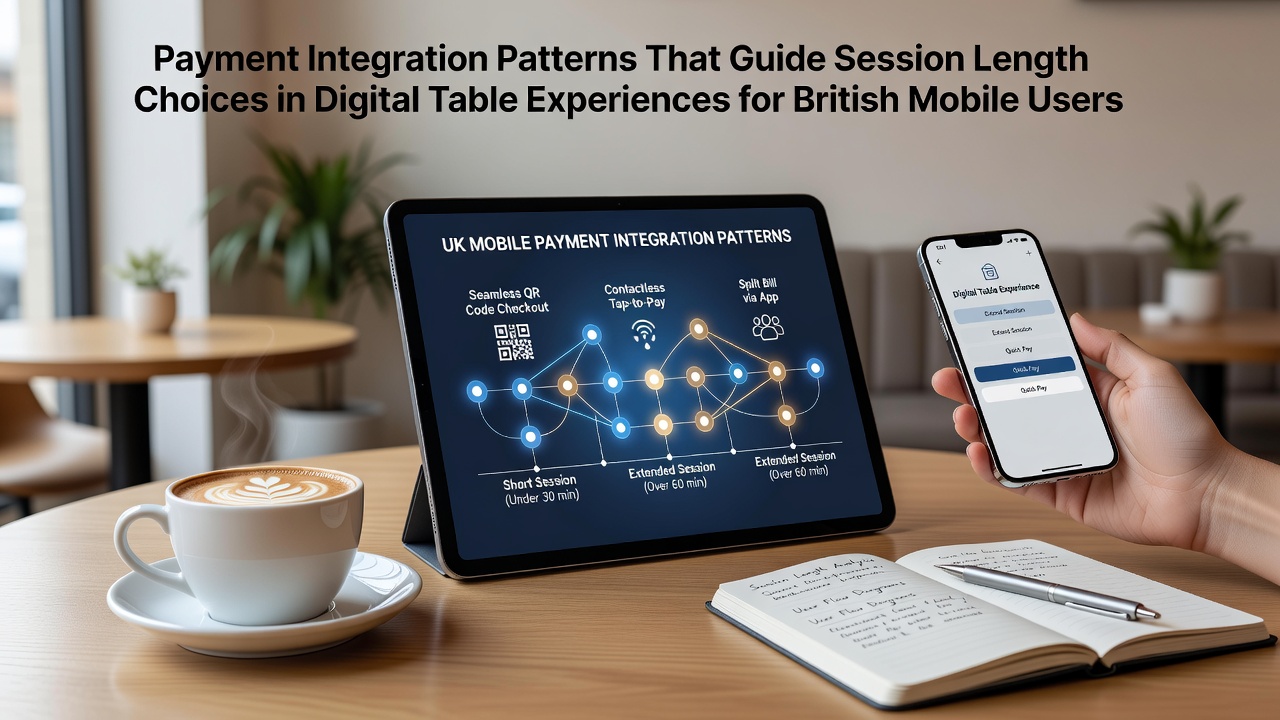
Payment Integration Patterns Influencing Session Lengths in British Mobile Digital Table Games
Payment integration patterns determine how British mobile users approach digital table experiences, since deposit speed and transaction reliability directly shape decisions about session duration, while research from payment systems analysts shows that seamless options reduce friction points that otherwise interrupt play flow. Data indicates that users often extend time spent at virtual blackjack or roulette tables when methods like instant bank transfers or mobile wallet connections complete within seconds rather than minutes, and this pattern holds across multiple operator platforms examined in recent industry reports.
Core Mechanisms Behind Session Extension
Integration choices such as API connections to Faster Payments Service allow real-time balance updates that keep players engaged without leaving the app interface, whereas slower verification steps in legacy card systems prompt shorter sessions as users encounter delays and switch activities. Observers note that table game interfaces incorporating one-click authorization see average play periods increase because participants avoid repeated authentication cycles, and this effect becomes pronounced during peak evening hours when British mobile traffic rises. Studies on digital transaction behaviors reveal that patterns favoring embedded payment gateways correlate with higher retention rates in live dealer formats, since the absence of redirects maintains immersion in the game environment.
Regional Data Trends Through Late 2026
Figures compiled as of October 2026 demonstrate that British mobile table users gravitate toward integrations supporting recurring deposits without additional prompts, leading to extended sessions that average 45 minutes longer than those relying on manual entry methods, according to aggregated analytics from European payment processors. This shift appears in both urban and regional user groups, with younger demographics showing stronger preferences for biometric-linked options that eliminate typing interruptions. Yet patterns differ when comparing table variants, since blackjack sessions respond more noticeably to instant top-ups than slower-paced baccarat experiences where strategic pauses already factor into user pacing.
Examples of Integration Types and Their Effects
One case involves operators embedding digital wallet APIs that process micro-deposits during active rounds, allowing users to maintain momentum without exiting the table view, and this approach has led to documented increases in consecutive hand counts per session. Another pattern emerges with pay-by-mobile billing tied directly to carrier accounts, where researchers discovered that billing cycle visibility encourages users to set informal time boundaries yet still results in longer overall engagement compared to traditional card gateways requiring separate confirmation screens. Data from transaction logs shows that users encountering zero-fee instant options tend to initiate follow-up deposits mid-session at higher rates, extending participation in digital table environments.
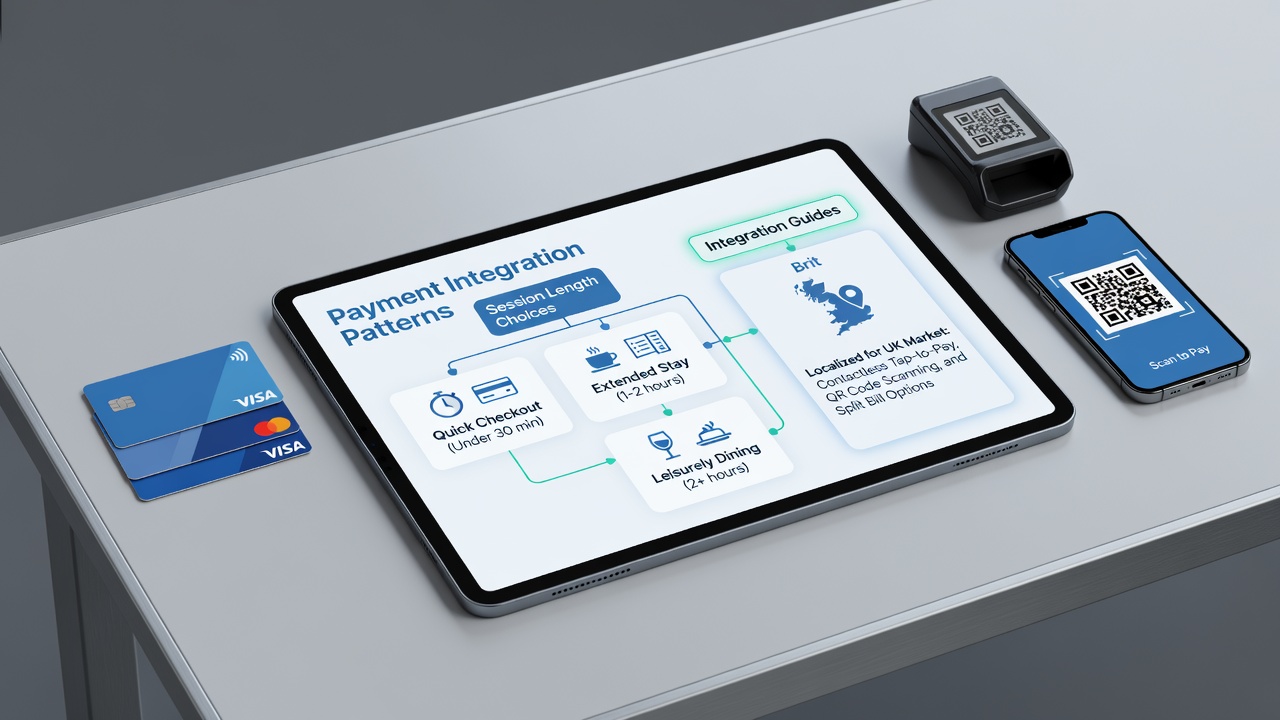
Those who have examined user behavior logs note that recurring payment authorizations, once enabled, reduce decision fatigue around funding, which in turn supports sustained table presence, while integrations lacking saved preferences force users to reassess session viability after each deposit cycle. This dynamic plays out consistently across Android and iOS platforms popular among British audiences.
Comparative Analysis Across Payment Categories
Direct bank integrations through open banking protocols deliver confirmation within two to three seconds on average, and this speed supports continuous table participation without the breaks that card-based alternatives often introduce, according to Bank for International Settlements transaction studies. In contrast, e-wallet setups that require separate app switches create measurable drop-offs in session continuity, prompting many users to cap their time at tables once the initial balance depletes. Industry reports further highlight that hybrid models combining saved credentials with instant verification yield the most stable session lengths, since they accommodate both quick top-ups and planned exits.
What's notable is how these patterns interact with game rules themselves, since table minimums and betting increments align differently with available funding speeds, leading some users to select games based on how easily they can adjust stakes mid-session through integrated payments.
Conclusion
Payment integration patterns continue to guide session length choices in British mobile digital table experiences by minimizing interruptions and enabling fluid funding transitions, with evidence from transaction analyses and user behavior studies confirming that faster, embedded methods extend participation while fragmented options shorten it. As platforms refine these connections, the relationship between payment reliability and sustained engagement remains a measurable factor in how users structure their time at virtual tables.