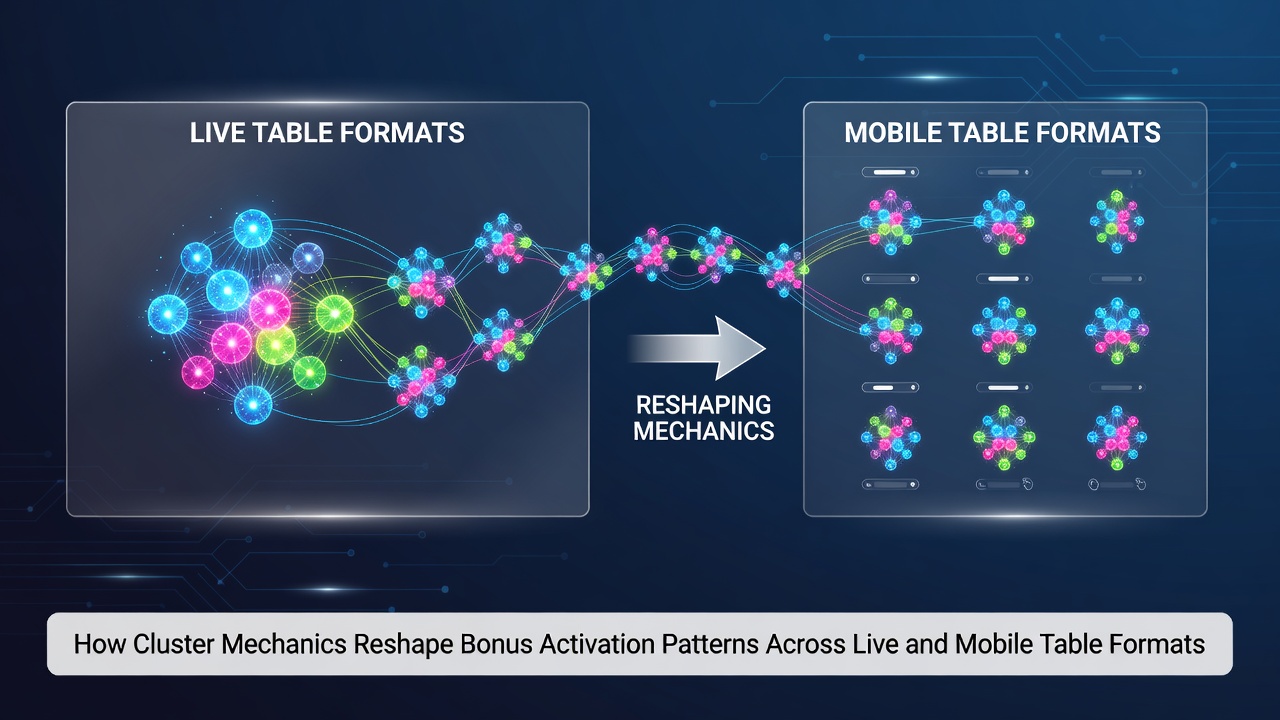
Cluster Mechanics Transforming Bonus Triggers in Live Dealer and Mobile Table Environments
Cluster mechanics have entered table game design through grouped symbol or bet configurations that trigger bonuses when specific patterns form across reels or card layouts, and operators now integrate these systems into both live dealer streams and mobile interfaces where real-time adjustments occur based on player groupings. Data from industry reports show that these mechanics shift bonus activation away from traditional single-line triggers toward multi-element clusters, which alters payout frequency and session duration across formats.
Mechanics in Live Dealer Table Settings
Live dealer platforms incorporate cluster systems by overlaying digital cluster detection on physical tables, so when cards or chips form designated groups the software activates side bonuses without interrupting the main game flow; this approach connects directly to dealer actions while mobile viewers see synchronized visuals. Observers note that activation patterns favor clustered high-value combinations over isolated wins, and studies from research institutions indicate a measurable rise in bonus events during peak hours when multiple players contribute to shared cluster opportunities.
Implementation requires precise timing between physical card handling and digital recognition software, yet the result produces consistent bonus triggers that scale with table occupancy; operators report that live formats benefit because clusters create communal excitement visible to all participants through shared screens.
Adaptations for Mobile Table Formats
Mobile table applications translate cluster mechanics into touch-based interfaces where players group virtual elements on smaller screens, and bonus activation responds to swipe patterns that mirror live table clusters while accounting for device latency. Figures from gaming associations reveal that mobile sessions experience more frequent but smaller bonus activations compared with live counterparts, because screen constraints encourage compact cluster formations that resolve quickly.
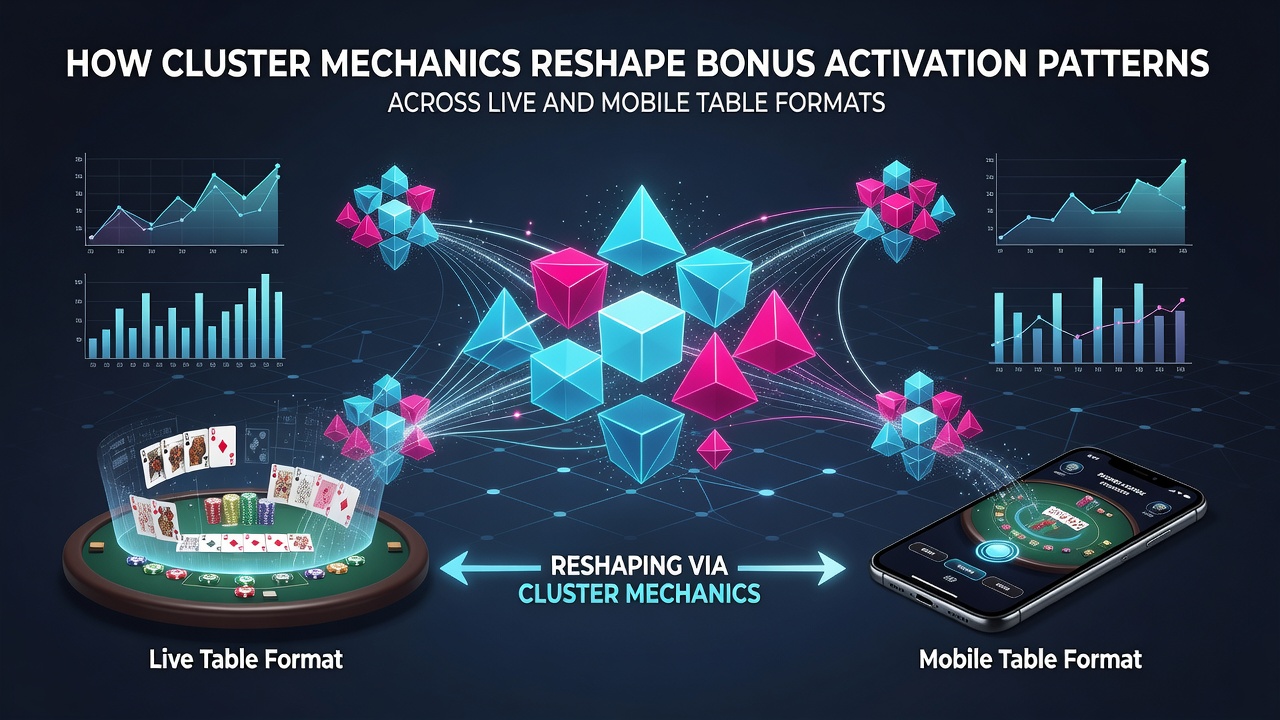
Developers adjust sensitivity thresholds for mobile clusters to prevent accidental triggers during movement, and regulatory updates scheduled for October 2026 will standardize testing protocols across regions to ensure fair cluster detection in both handheld and tablet environments. Those who analyze session data find that mobile users encounter bonus patterns that reward repeated small clusters rather than rare large formations typical in live settings.
Comparative Activation Patterns
Live dealer tables generate bonuses through larger spatial clusters that involve multiple participants, whereas mobile versions emphasize individual cluster building within confined grids; this distinction leads to different bonus frequencies and types, with live formats favoring progressive accumulations and mobile ones delivering instant micro-bonuses. Research papers published by academic groups document these variances through controlled trials that track activation rates across device types and player volumes.
Payment speed and interface responsiveness further influence outcomes, since mobile clusters resolve faster when network conditions remain stable, while live streams depend on video synchronization to maintain cluster integrity. Industry organizations track these metrics and note steady growth in hybrid formats that blend both approaches for consistent user experiences.
Future Developments and Standards
Upcoming standards in October 2026 will require transparent cluster algorithms in table software across multiple jurisdictions, which encourages developers to publish activation probabilities so players understand how groupings translate into bonuses. External analyses from bodies such as the American Gaming Association highlight ongoing refinements that balance cluster complexity with accessibility for diverse player bases.
Additional findings from university-led studies available through the University of Nevada Reno gaming research portal demonstrate that cluster mechanics increase engagement duration when activation patterns align with device capabilities and table pace. Operators continue testing variations that maintain fairness while expanding bonus variety in both live and mobile table contexts.
Conclusion
Cluster mechanics continue reshaping bonus activation by moving from isolated events to pattern-based triggers that function differently across live dealer and mobile table formats, supported by evolving software standards and cross-platform data collection. These systems produce measurable shifts in how bonuses appear and resolve, with ongoing regulatory attention scheduled through late 2026 ensuring consistent application.